
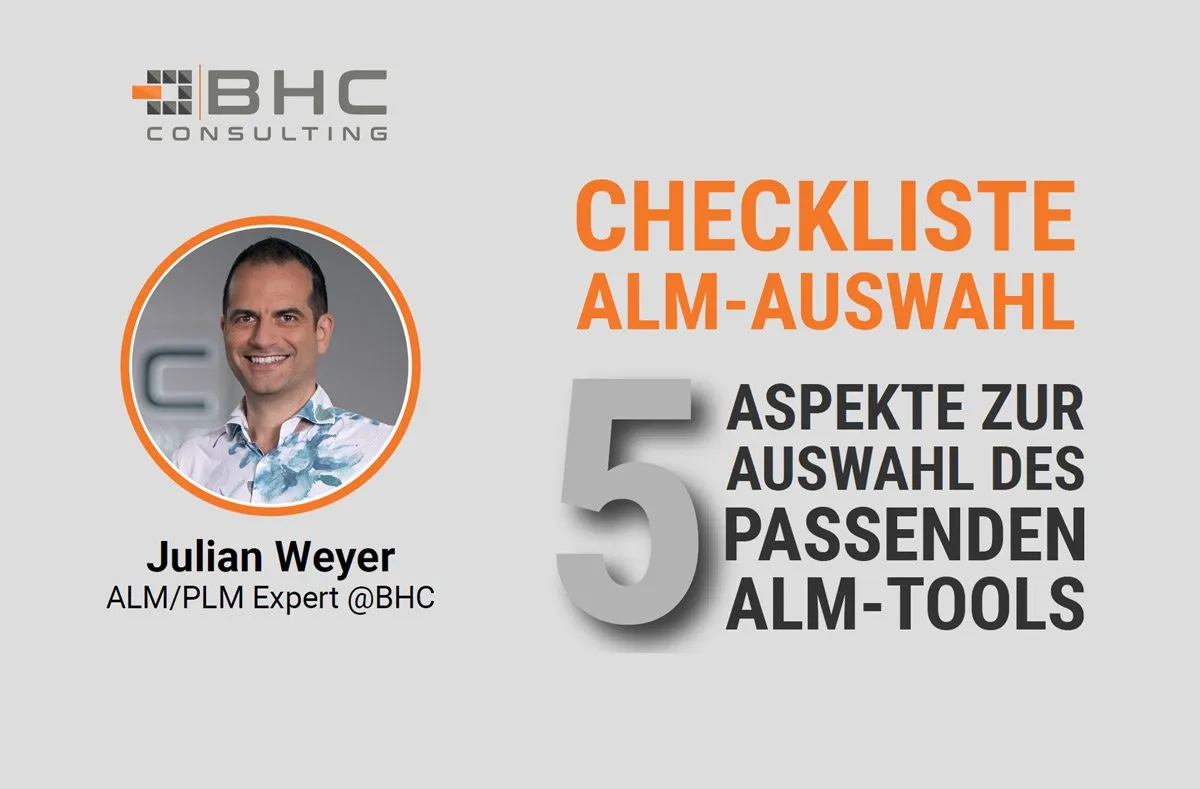

Choosing the right ALM tool is not an everyday decision. What you introduce today shapes processes, interfaces and ways of working for many years, often for a whole decade. That makes it all the more important to proceed in a structured way and not fall for the shine of a convincing product demo.
As a PLM and ALM consultant, I guide companies through exactly this selection process, vendor-neutral. Whether it ends up being Siemens Polarion, PTC Codebeamer, Atlassian Jira, Jama Connect or another tool depends on the specific requirements, not on vendor preferences. Here are five aspects that I consider decisive in every evaluation.
1. Fit for the process
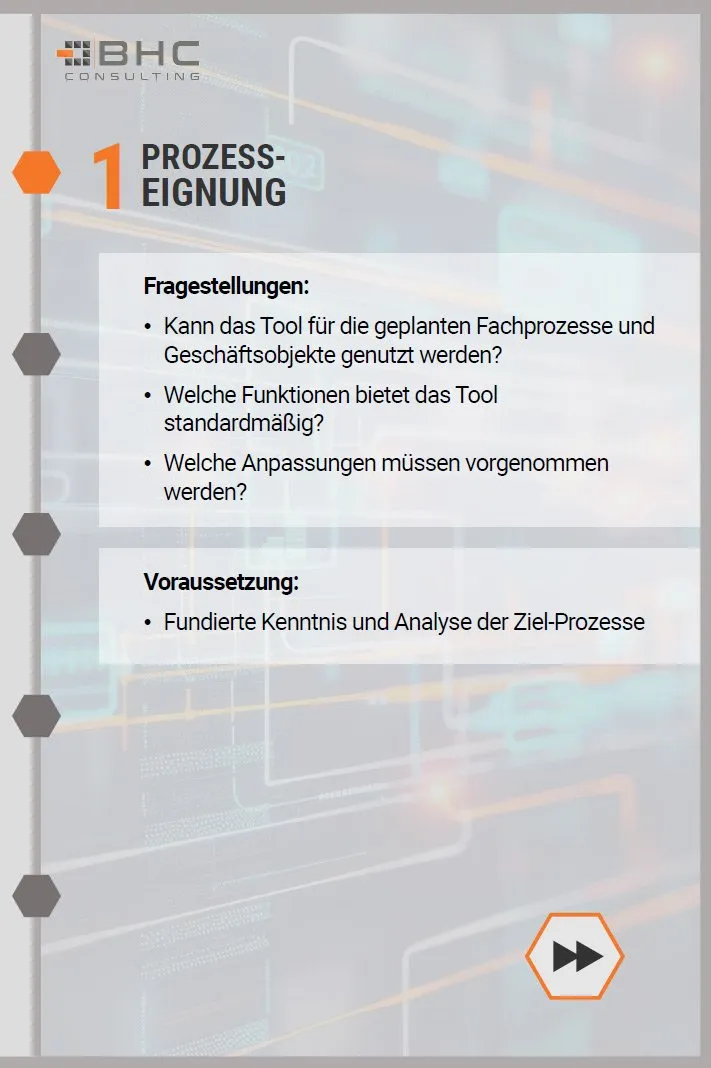
This sounds obvious, but it is often underestimated in practice: an ALM tool has to fit the business processes and business objects that are actually lived in the company, not the processes shown in the vendor pitch.
The decisive question is therefore not “What can the tool do?” but “What do I need, and can the tool do that?” This requires a thorough analysis of the target processes. If you don’t know exactly what you want to model in an ALM tool, you can’t judge whether a particular tool fits. The necessary adaptations (configuration, customizing, training) should be estimated realistically, because many tools are good out of the box but more laborious than expected in a company’s own setup.
2. Interfaces
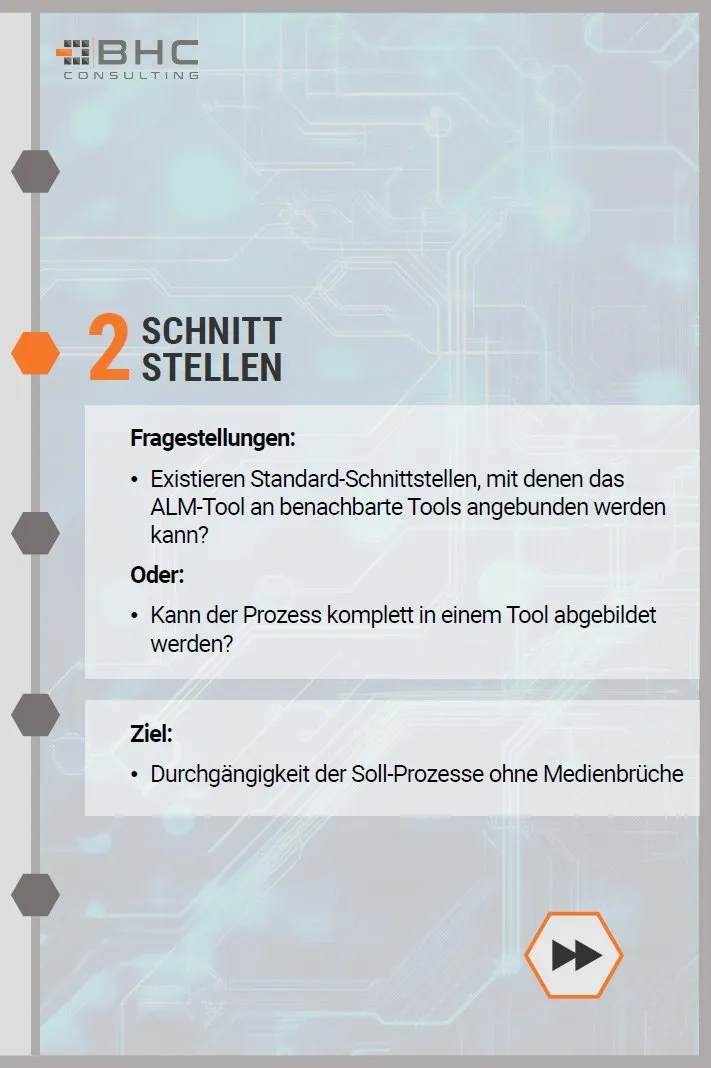
An ALM tool rarely stands alone. It has to be connected to neighboring systems: the PLM system, source code management, test automation tools, perhaps an ERP. Media breaks, meaning points where information has to be transferred manually, are expensive and error-prone.
The question of standard interfaces is therefore not a downstream integration discussion but a core selection criterion. A tool that fits well into the existing tool landscape has long-term advantages over a nominally more powerful tool that needs extensive integration. Open standards such as ReqIF, OSLC or REST APIs play an important role here.
3. Fit with the IT strategy
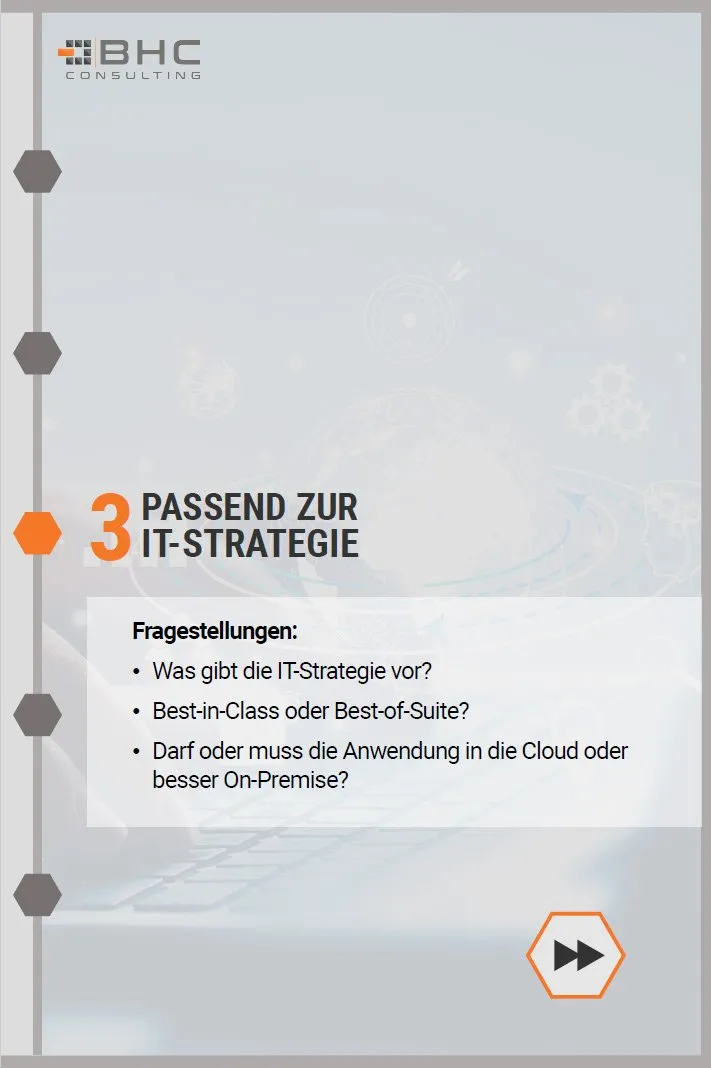
The IT department has an opinion on this, and it should be sought early. Many companies have rules on whether new tools may go to the cloud or must stay on-premises, for reasons of data protection, security or governance. The question of “best-in-class vs. best-of-suite” is also relevant: anyone who has already invested heavily in an ecosystem (e.g. Atlassian, Microsoft) starts from different conditions than someone starting with a blank sheet.
If you ignore the IT strategy in tool selection, friction arises later, sometimes even formal rejections.
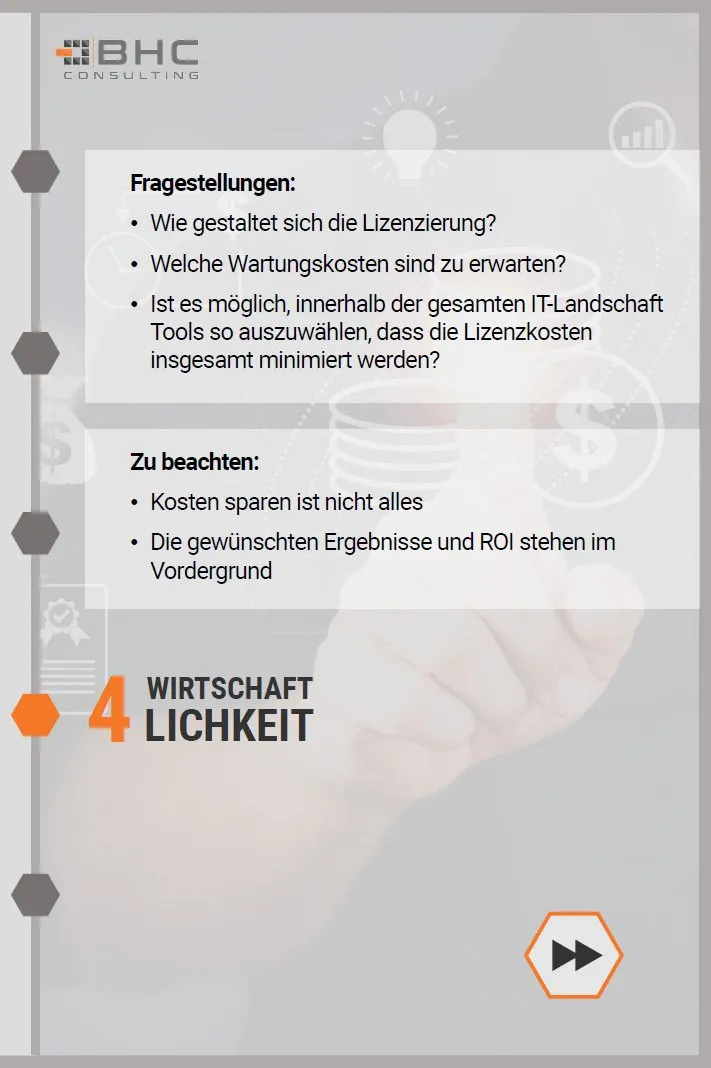
4. Cost-effectiveness
License costs are visible, total costs often are not. Besides licenses and maintenance, there are costs for implementation, training, ongoing administration and possible adaptations. It is also worth looking at the IT landscape as a whole: can a tool decision unlock license synergies, for example by consolidating on one platform?
Important: saving costs is not an end in itself. A cheaper tool that supports the processes less well or causes more integration effort ends up more expensive than a well-made, perhaps pricier investment. Return on investment, meaning the efficiency, quality and speed the tool delivers, comes first.
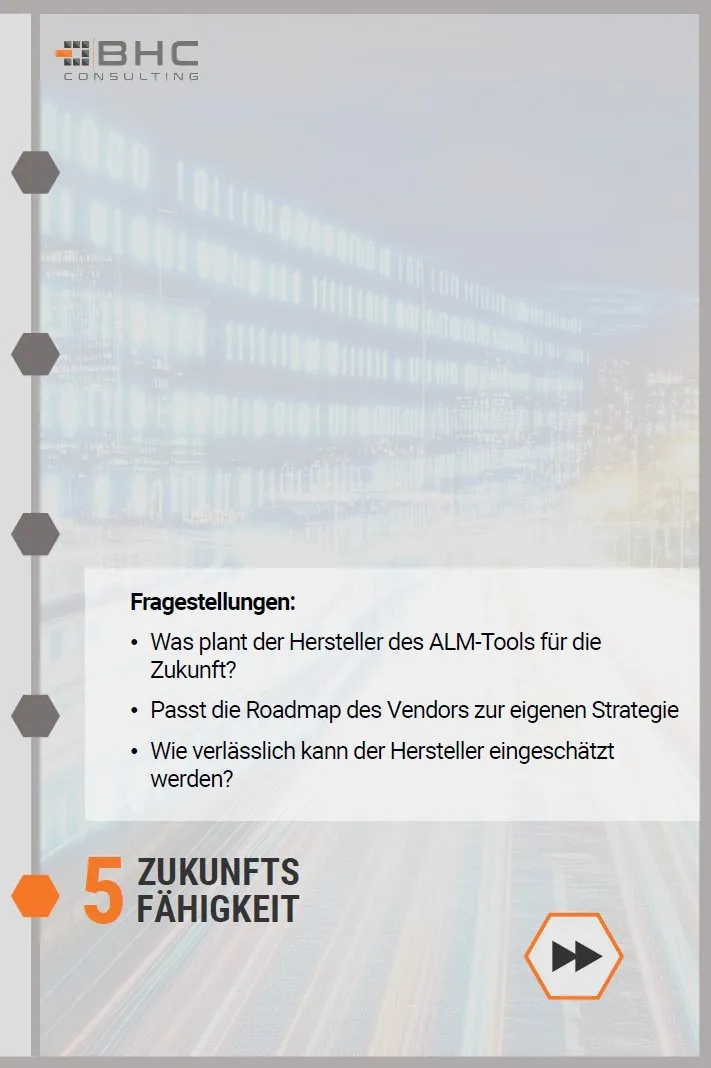
5. Future viability
Introducing a tool is a long-term commitment. That is why it is worth looking at the vendor itself: how reliable is it? What does it plan for the coming years? Does the roadmap fit your own strategy?
A tool that fits perfectly today but is not developed further by the vendor, or is absorbed into a larger ecosystem, can become a problem in three years. The vendor’s market position, willingness to invest and community are therefore relevant factors, not just the current feature list.
Choosing an ALM tool is not a purely technical decision. Process knowledge, interface strategy, IT governance, cost-effectiveness analysis and a realistic look at the vendor roadmap all play a role. Anyone who works through these five aspects in a structured way makes a decision that still holds up in five years.
What experiences have you had with ALM tool selection? Which aspects were decisive in your company? I look forward to the exchange.